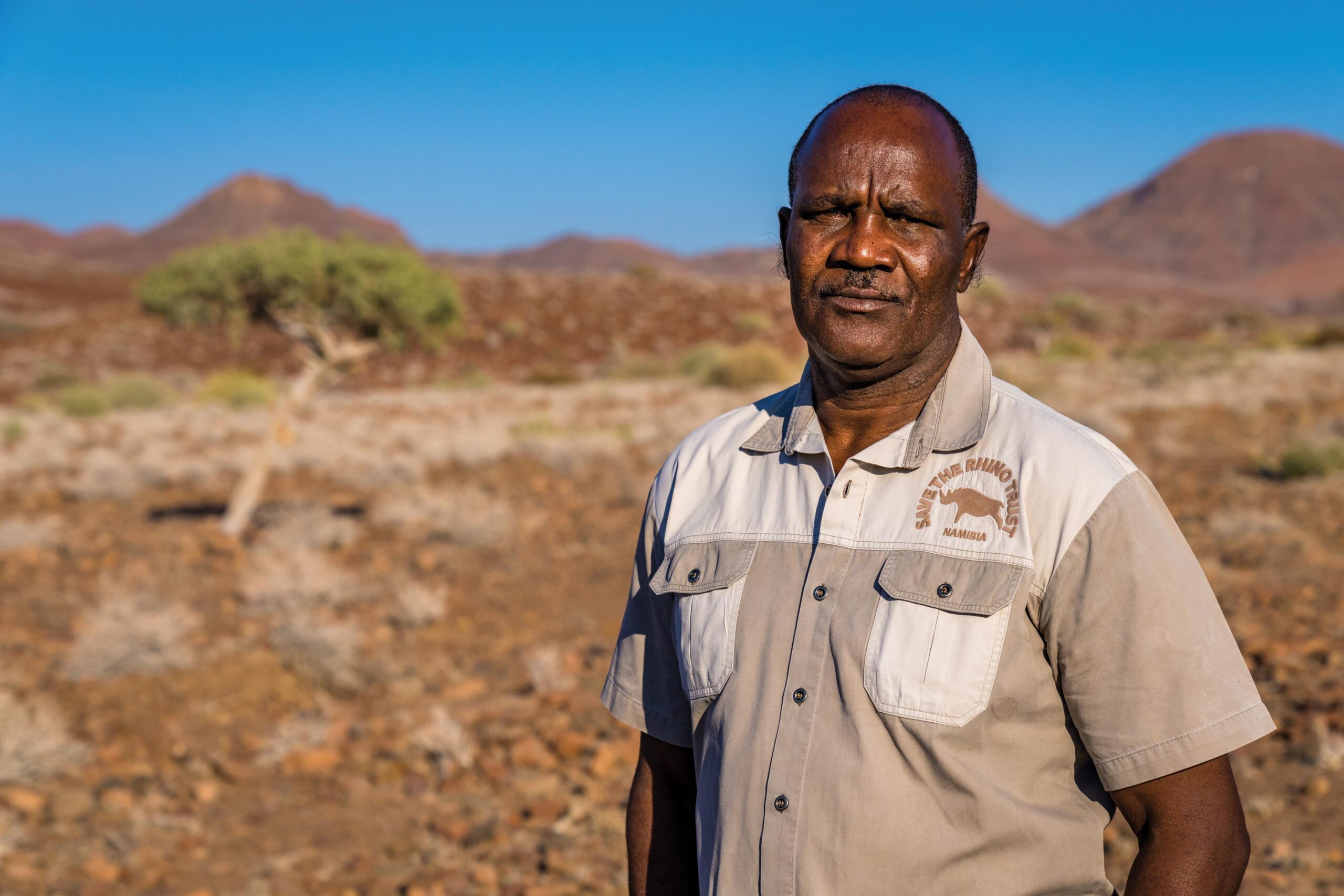
Simson Uri-Khob’s early life was shaped by the practical world of craftsmanship. A welder and mechanic by trade, he preferred working with his hands – a skill that unexpectedly paved his path into the heart of Namibian conservation.
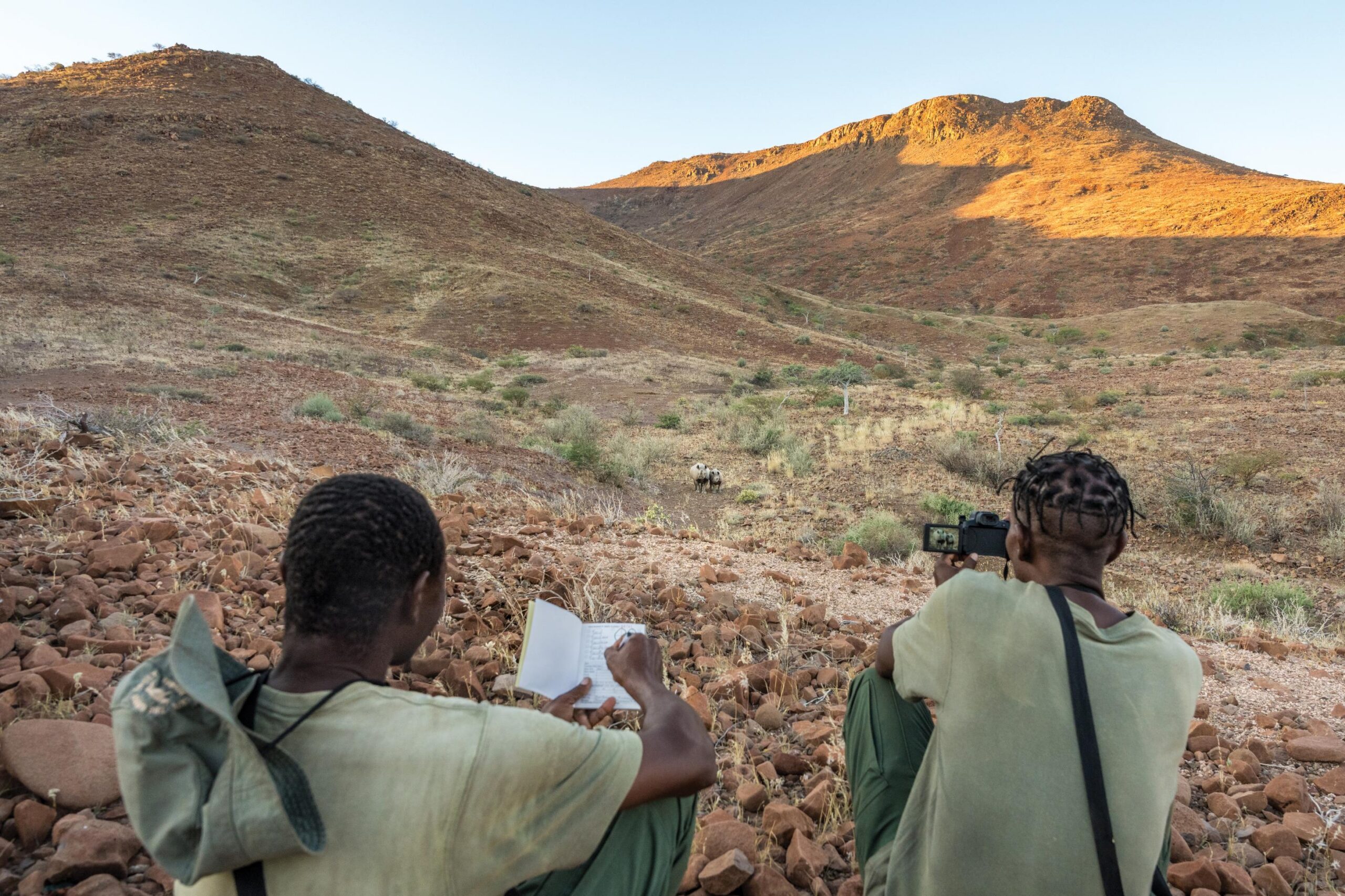
It began with a broken-down field vehicle on a Sunday. After fixing a car for the late Blythe Loutit, founder of Save the Rhino Trust (SRT), Simson was invited to join the team as a supervisor and mechanic. While his initial role involved building elephant dams and maintaining machinery, a few days spent in the field with the rhino tracking teams changed his trajectory forever.
“This is the real work I want to do,” he realised. “I want to be in the field with these animals.”
Simson chose to start from the ground up, learning the art of land tracking from veteran rangers. Over a 32-year journey, he climbed the ranks from tracker to Director of Field Operations, eventually earning his Master’s degree and becoming the CEO of Save the Rhino Trust.
I don’t want to tell my kids one day we had rhinos in Namibia and show them pictures,” he says. “I want to say, ‘I have been looking after that rhino… and there it is, still alive”.
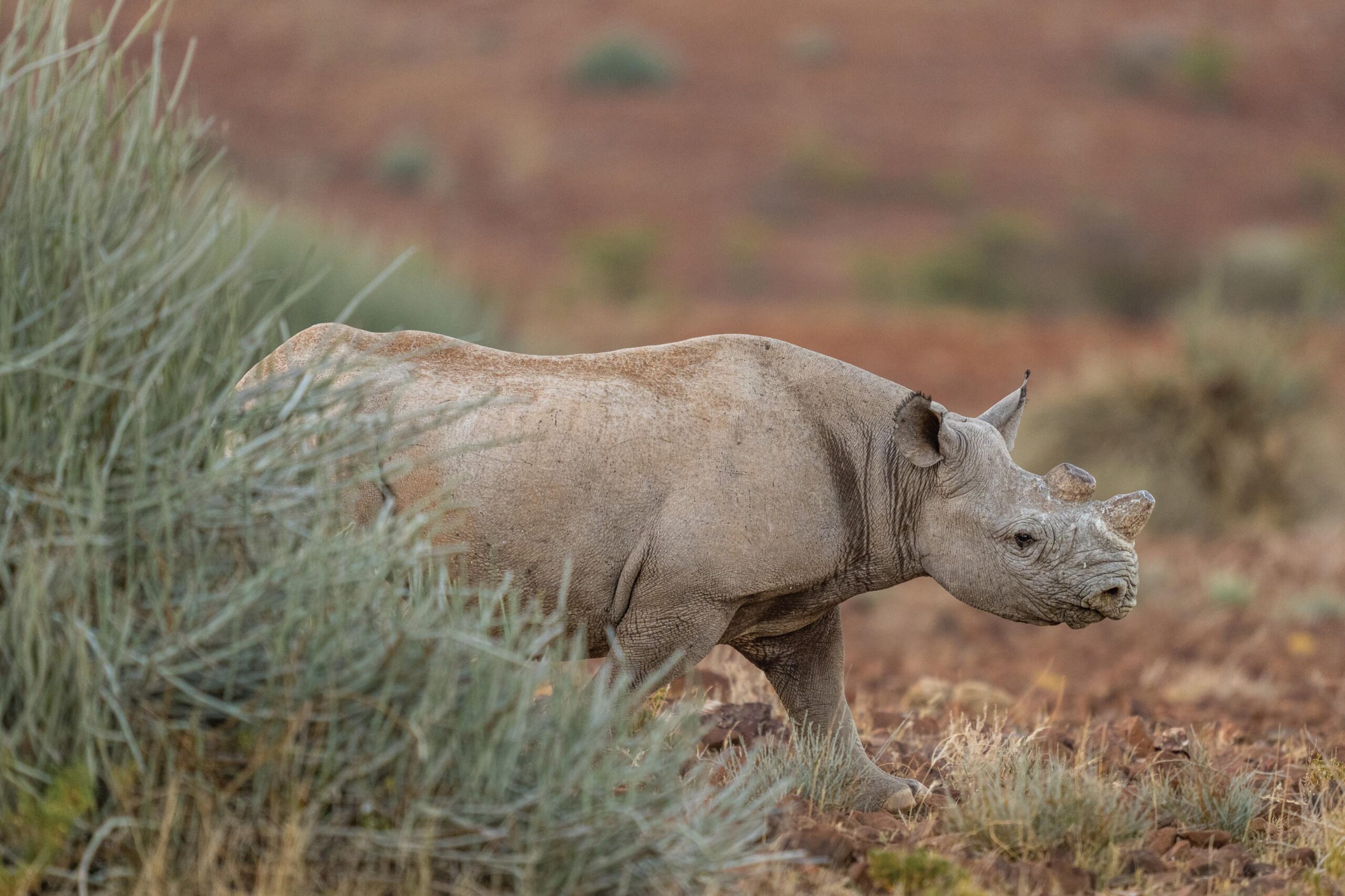
His passion is fueled by the unique nature of Namibia’s desert-adapted black rhinos (Diceros bicornis bicornis). These are the only free-roaming black rhinos in the world, living without fences in the harsh, open landscapes of the Kunene and Erongo regions. For Simson, their survival in such demanding conditions makes them a symbol of resilience.
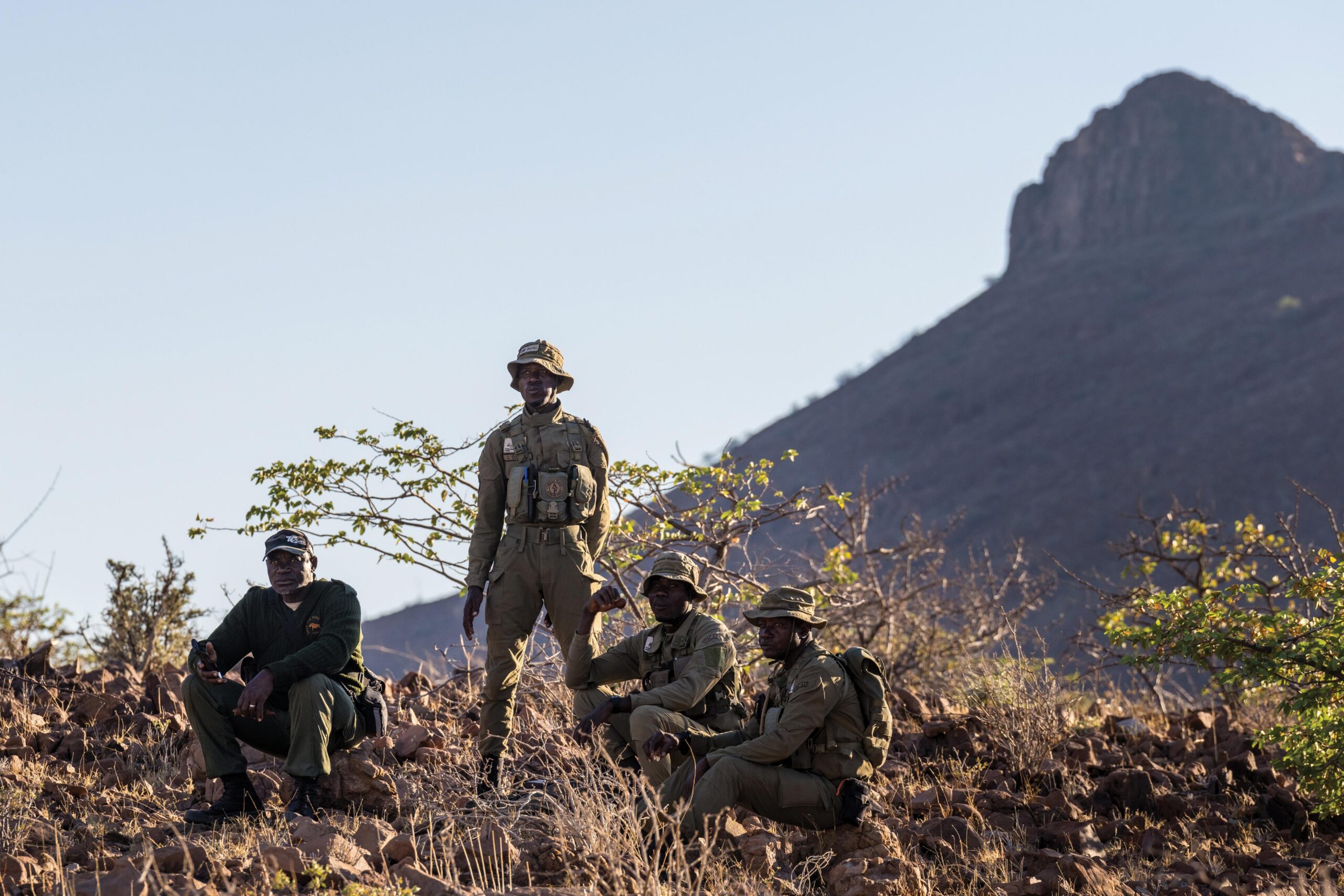
Beyond the protection of animals, Simson is a bridge-builder. He has dedicated his career to bringing communities and wildlife together. Under his leadership, SRT has pioneered a model where local communities are not just neighbours to wildlife, but their primary protectors. By employing community members as Rhino Rangers, he has transformed the way rhinos are perceived – a valuable asset that brings tourism, jobs, and education to the region.
The weight of this responsibility is felt most deeply in the difficult moments. Simson still carries the memory of a 2014 poaching incident, where the loss of an animal he knew personally served as a stark reminder of why his work must never stop. “I don’t want to tell my kids one day we had rhinos in Namibia and show them pictures,” he says. “I want to say, ‘I have been looking after that rhino… and there it is, still alive”.
Simson Uri-Khob is more than a conservationist; he is a guardian of Namibia’s natural heritage, reminding us that through community ownership and relentless dedication, our wildest dreams for the future can remain roaming free.