
The 2026 RMB & Wilderness Ride for Rangers
“Ons is gemaak om spore te los.”
(We are made to leave tracks behind)
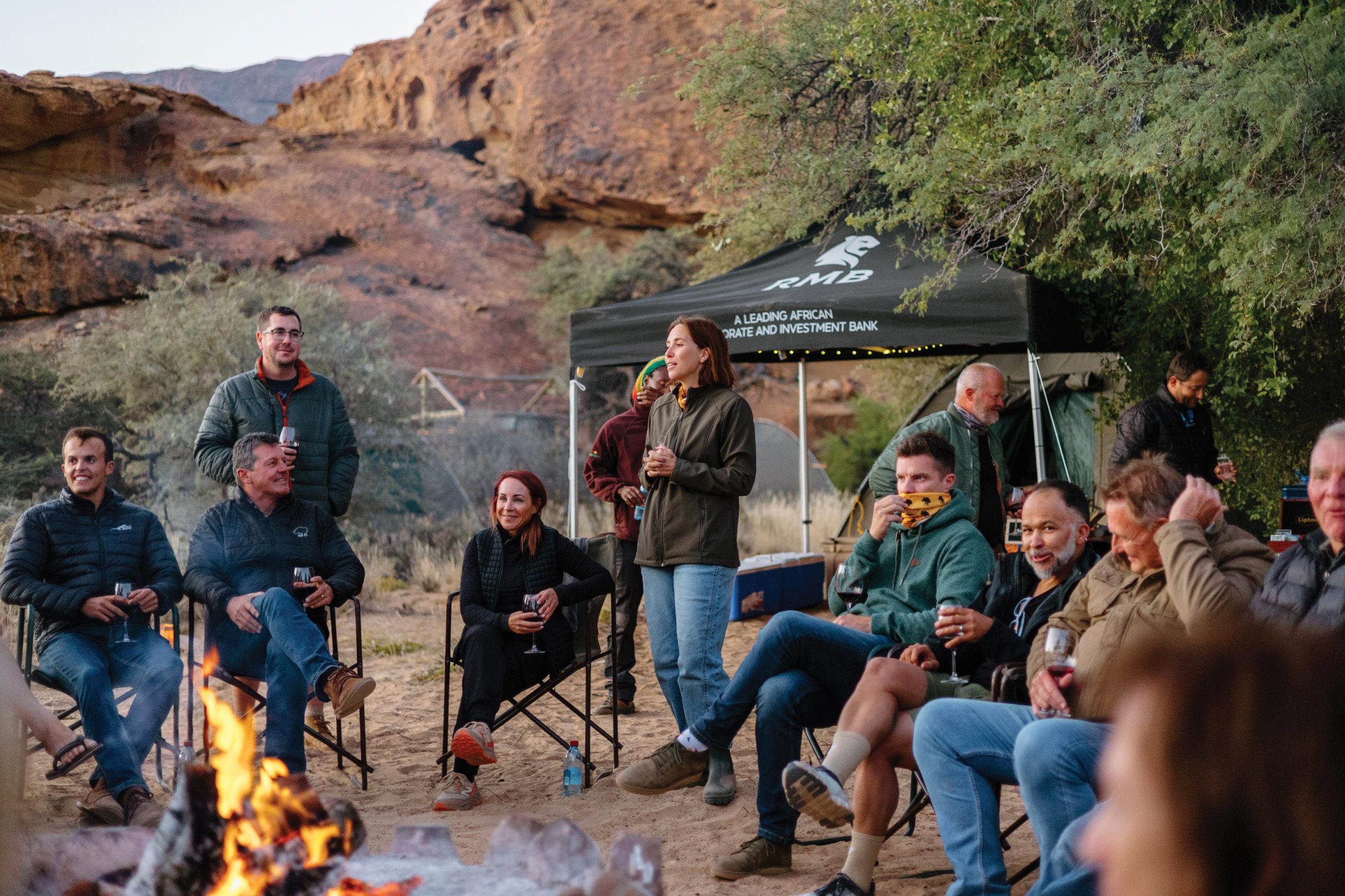
Elvis Blue sang those words somewhere in the darkness of Damaraland, beside a campfire beneath a sky so crowded with stars it felt almost close enough to touch. Spore.
Tracks. Traces. The evidence that something, or someone, has passed this way.
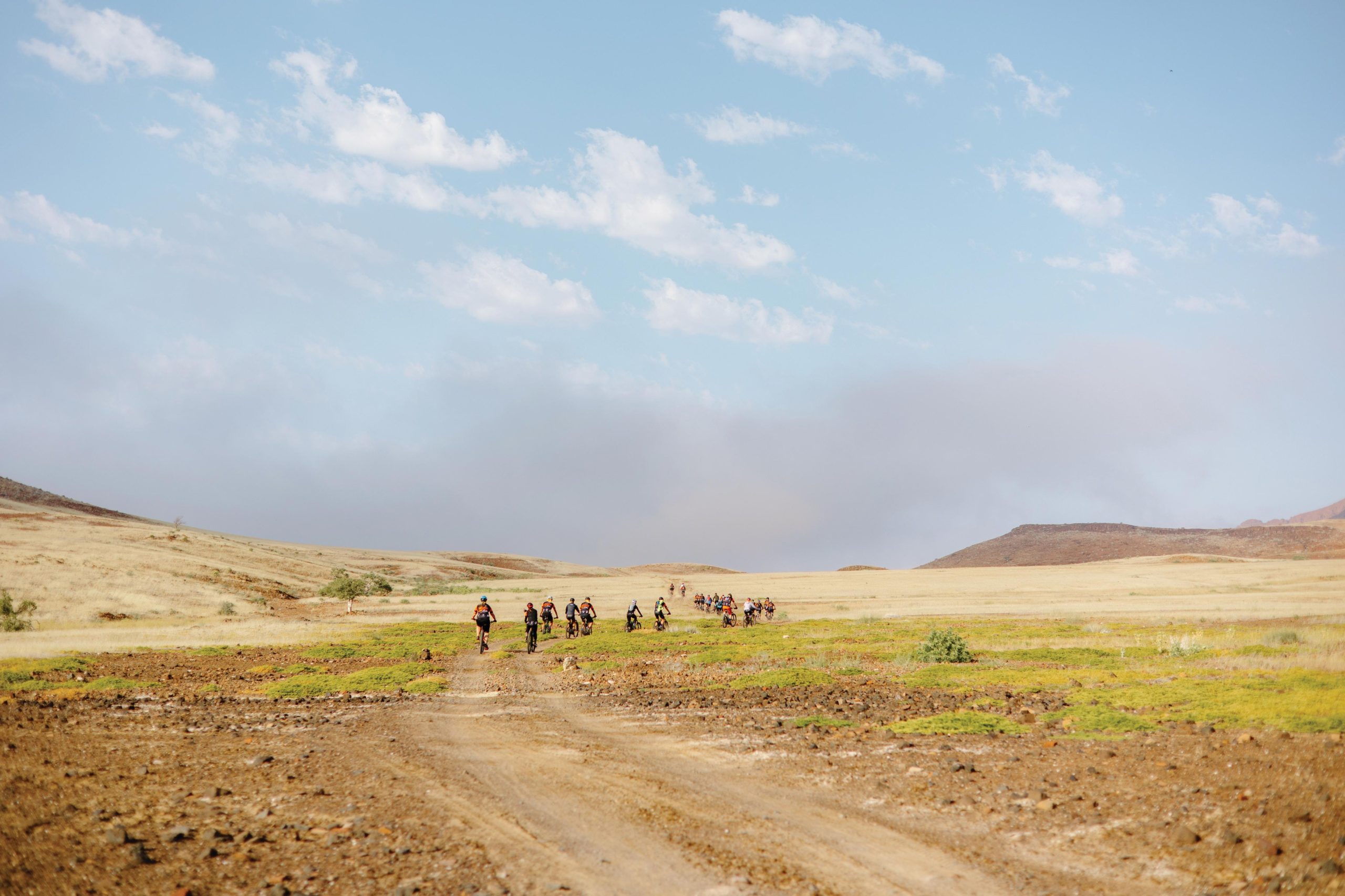
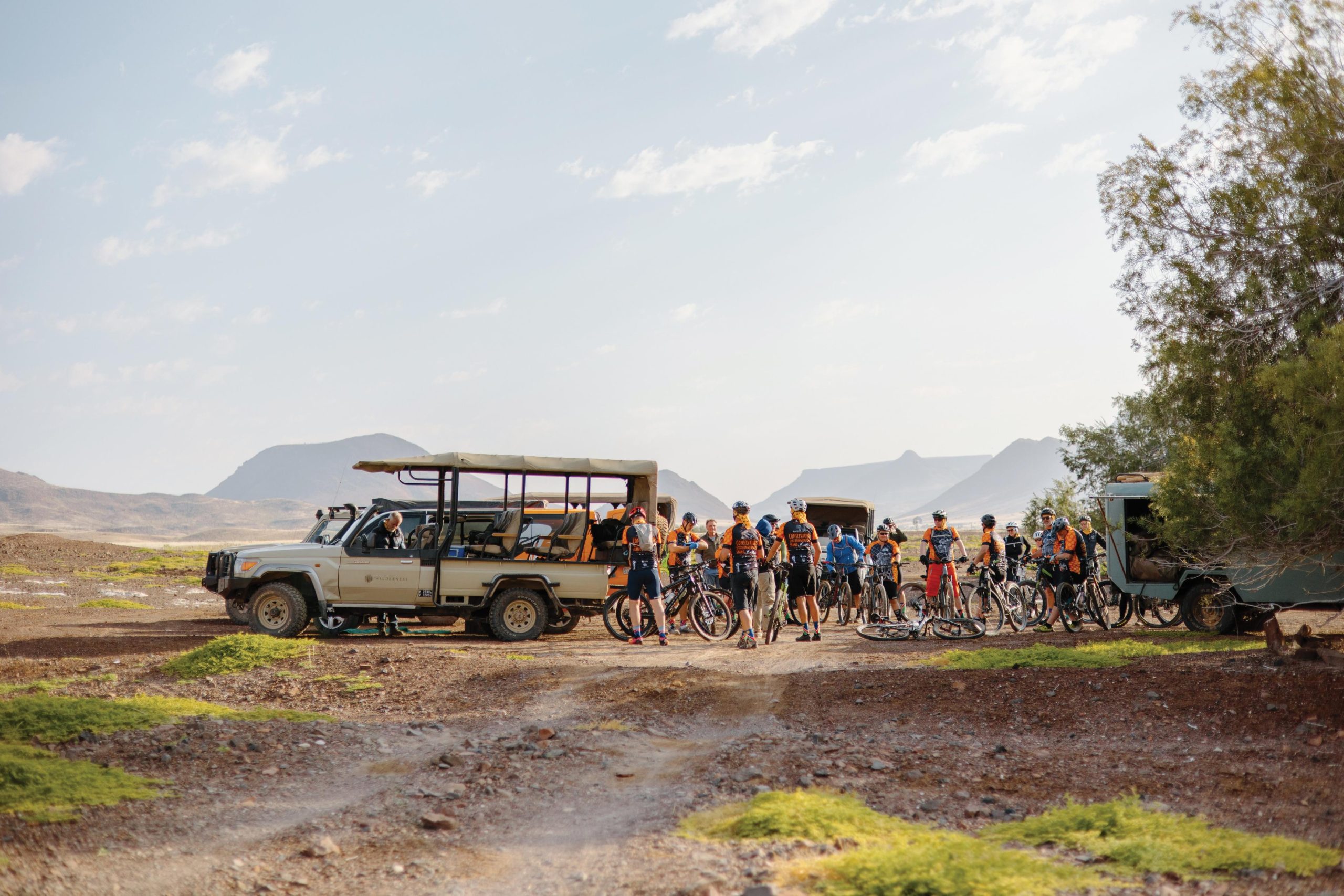
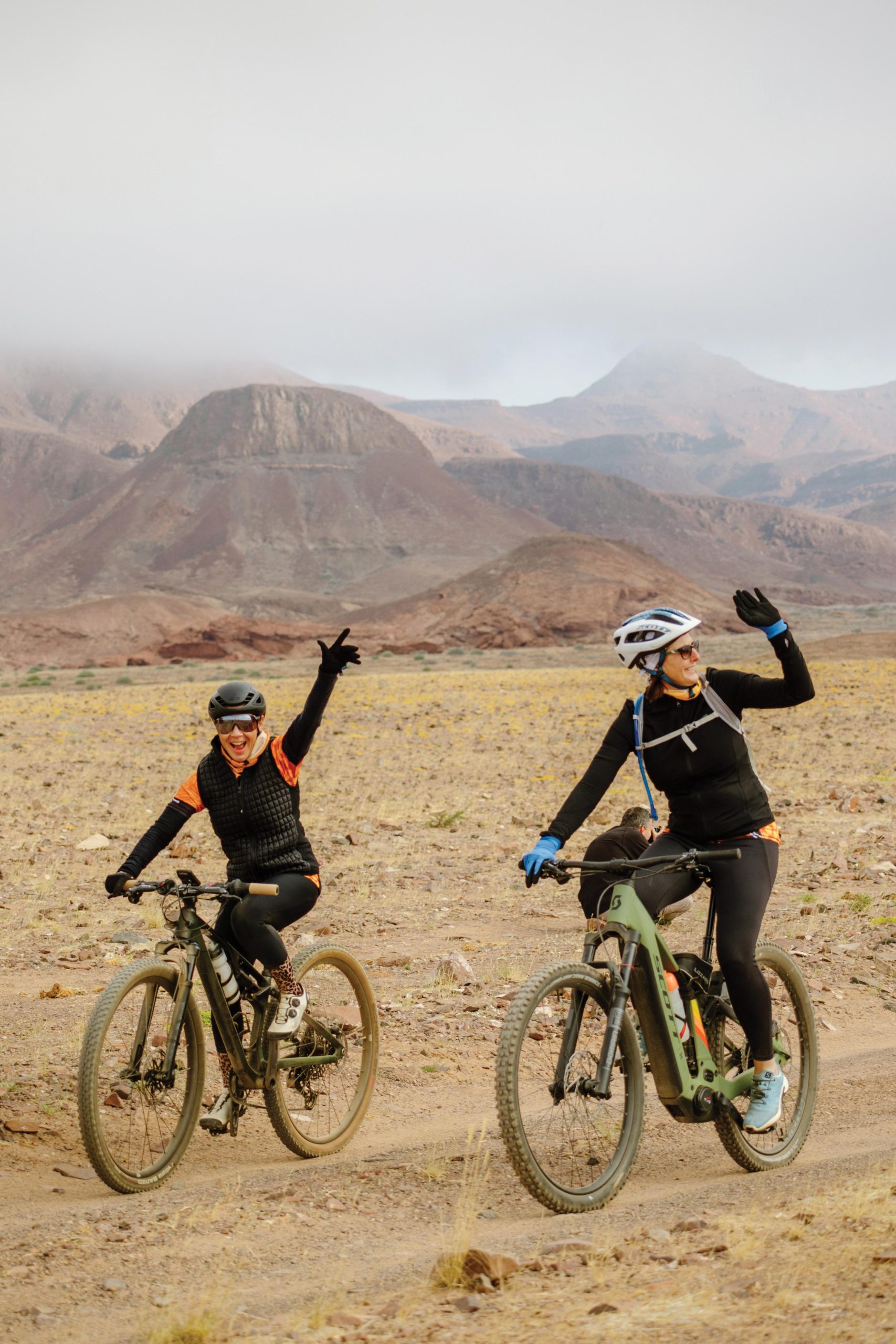
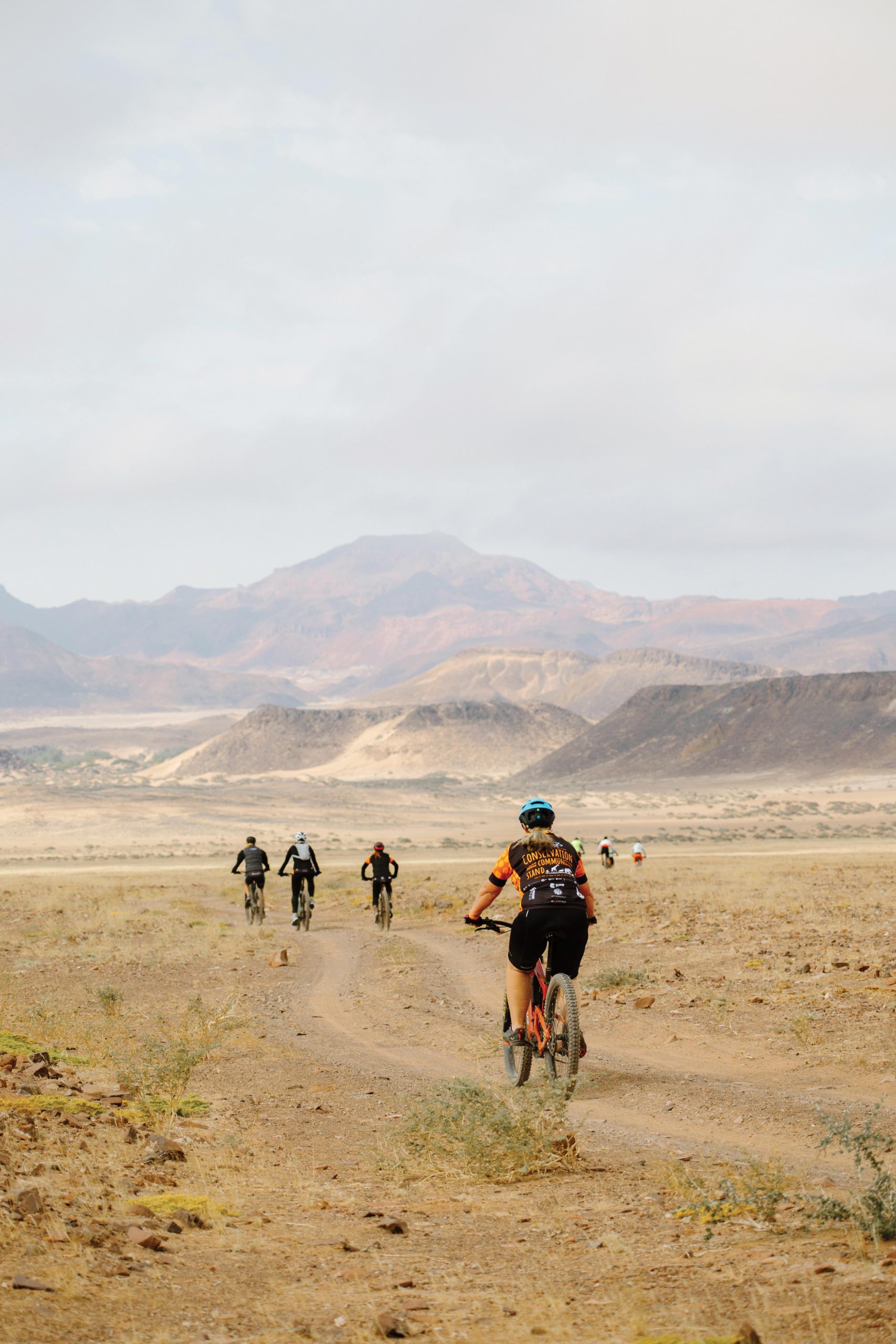
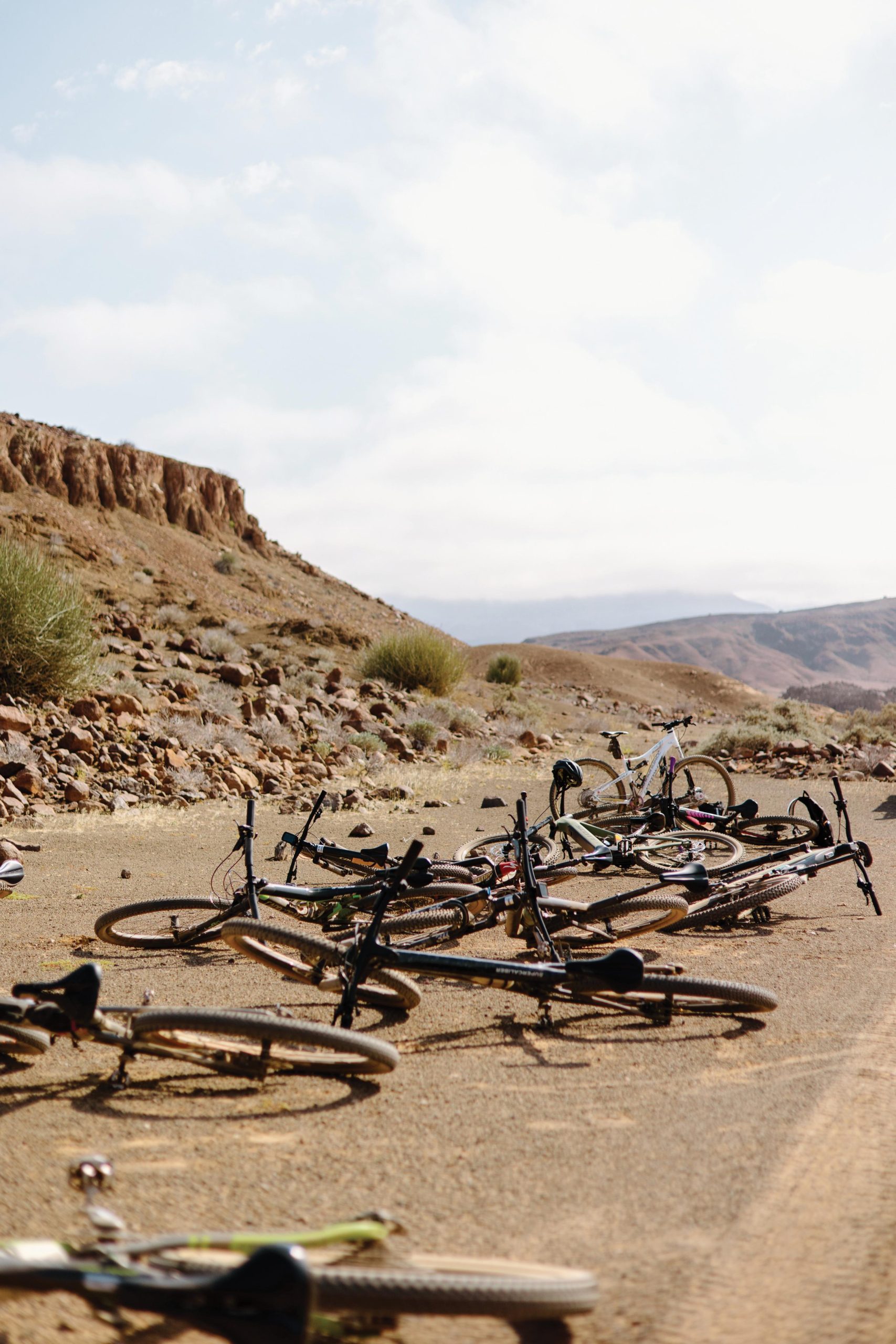
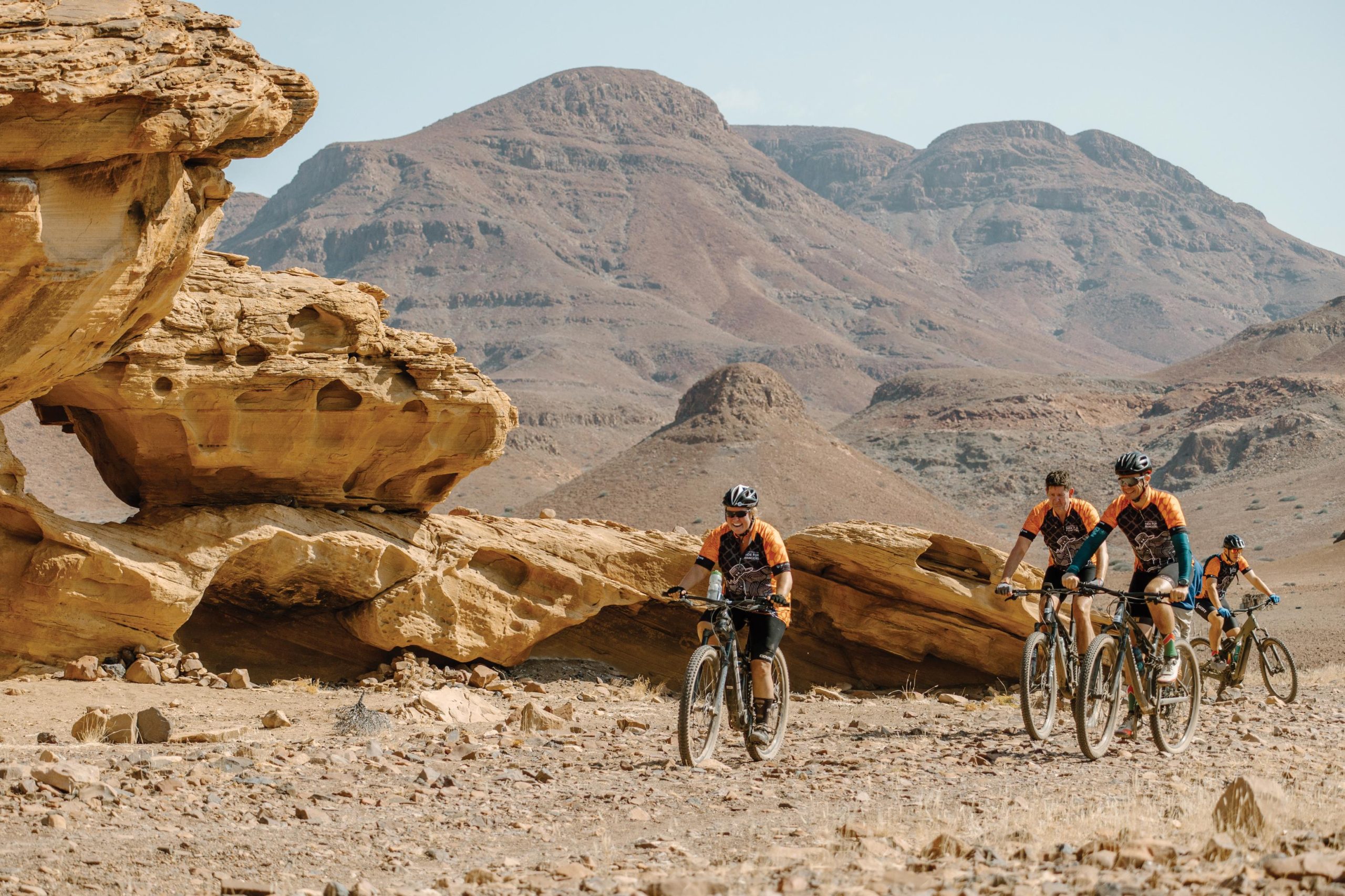
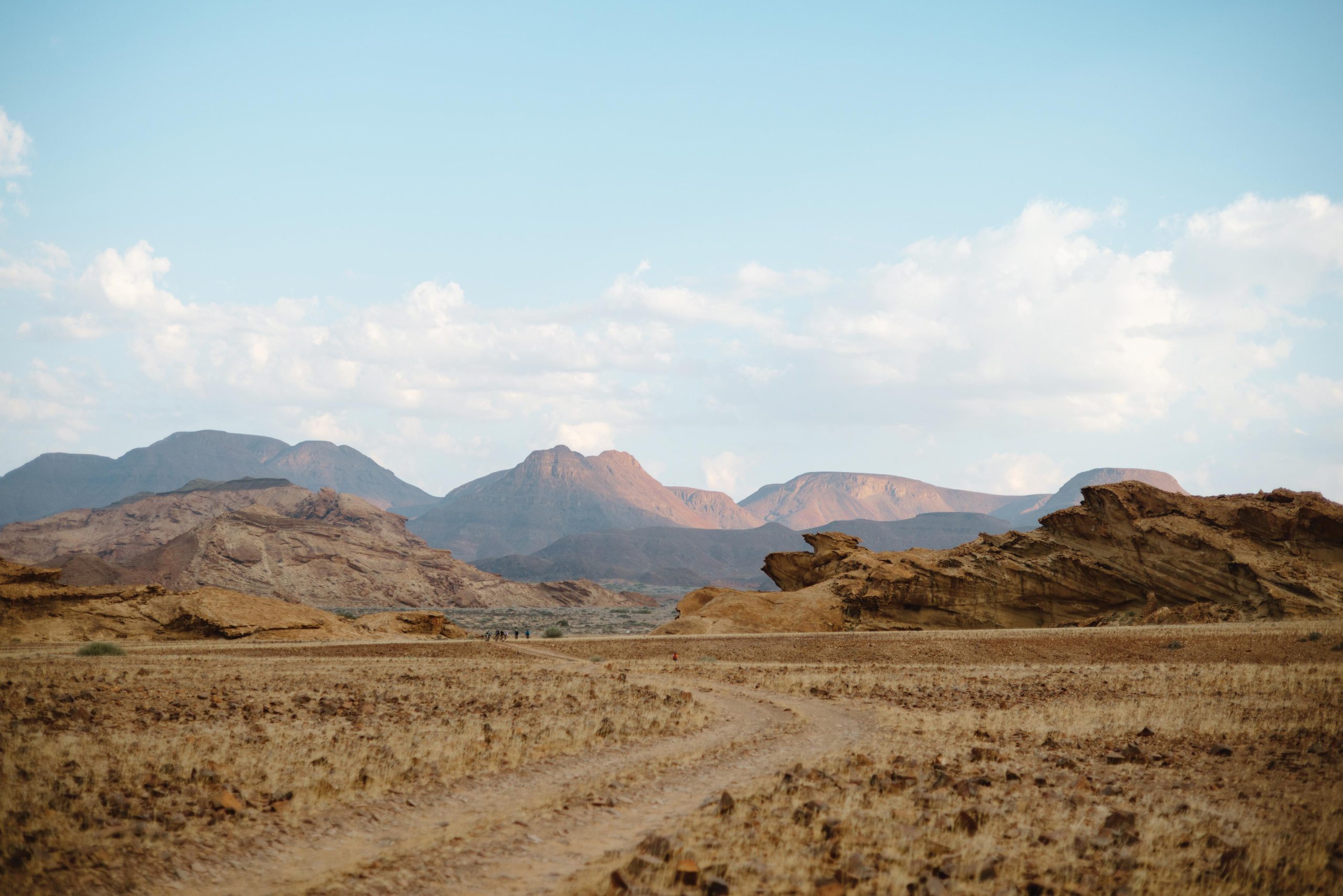
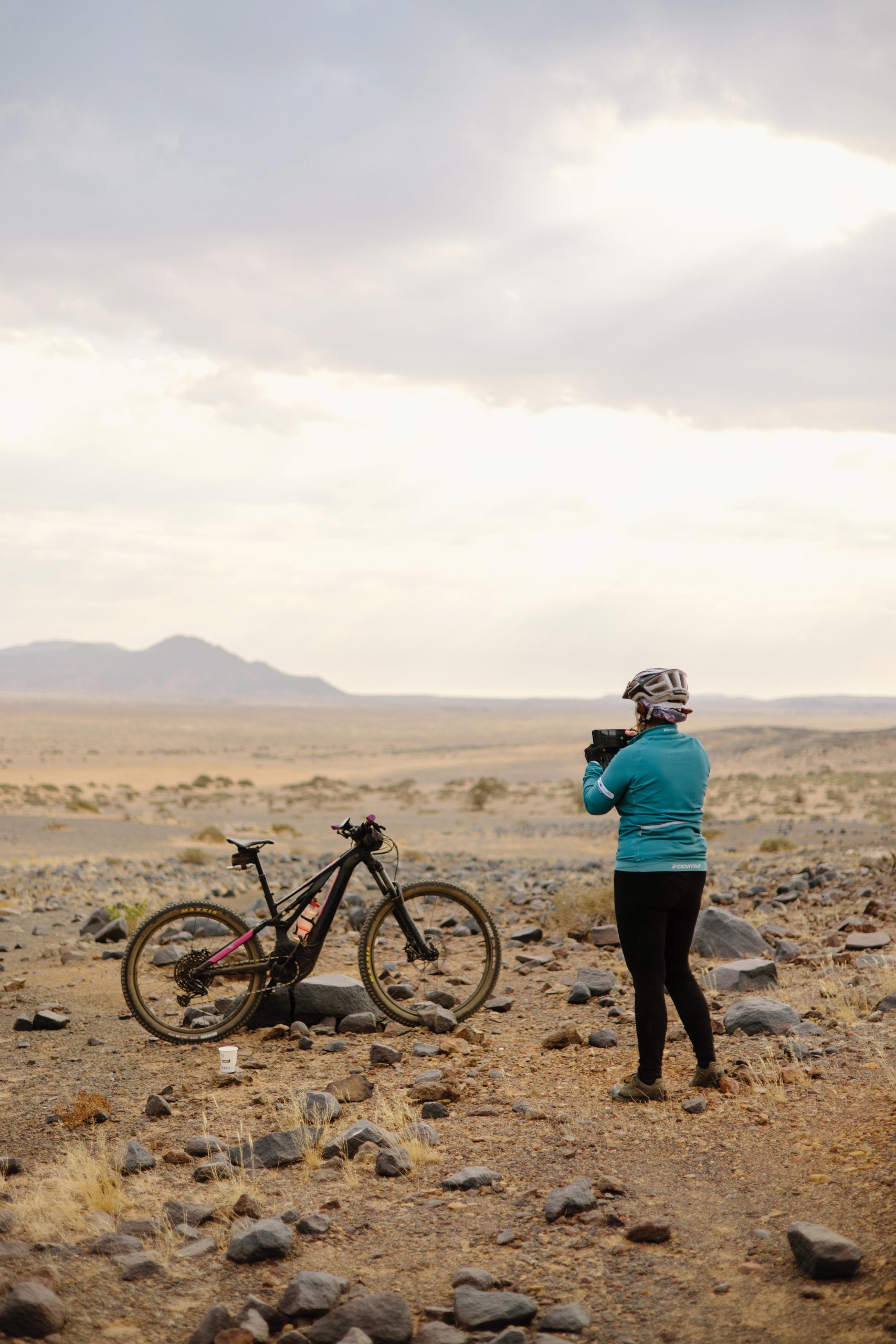
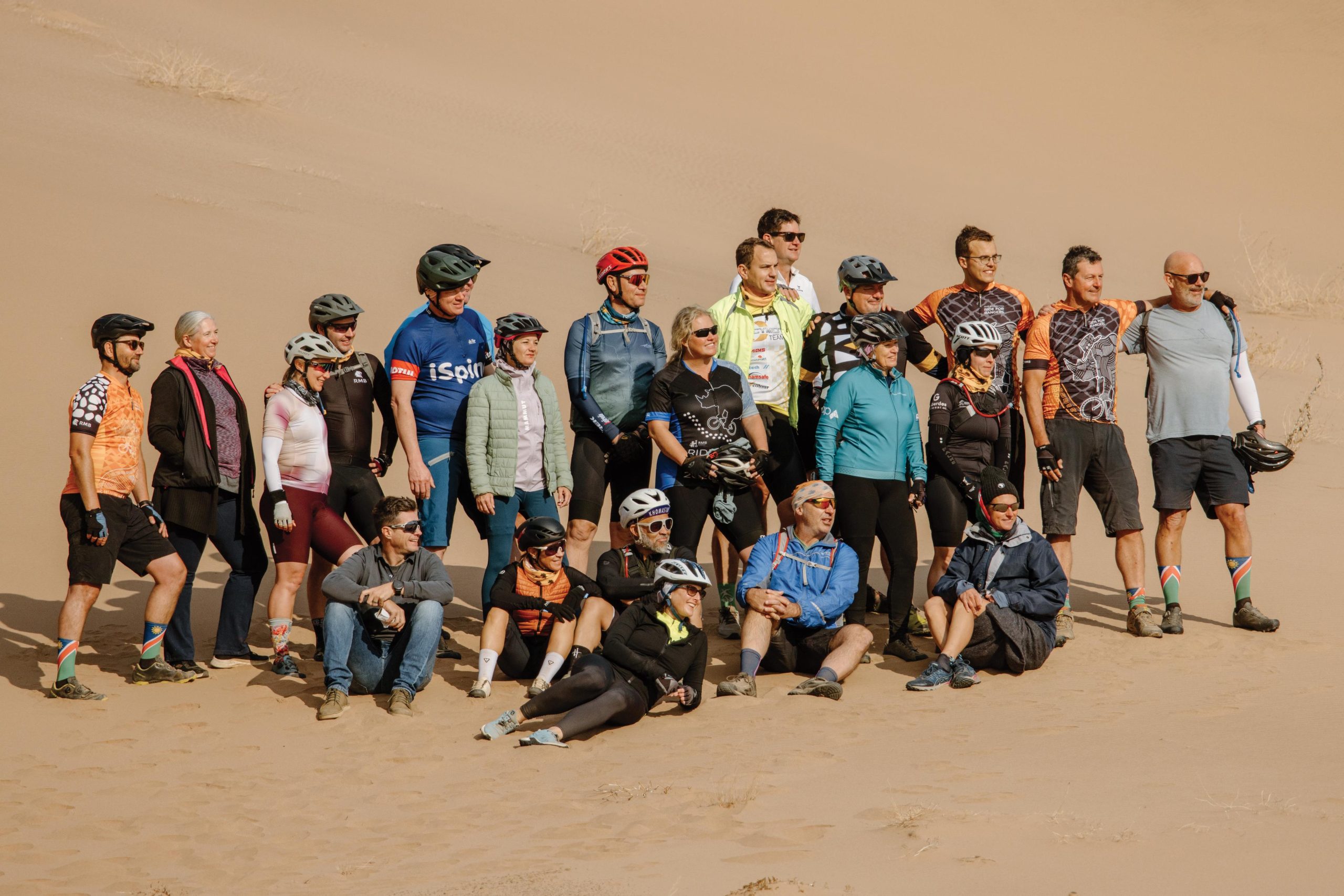
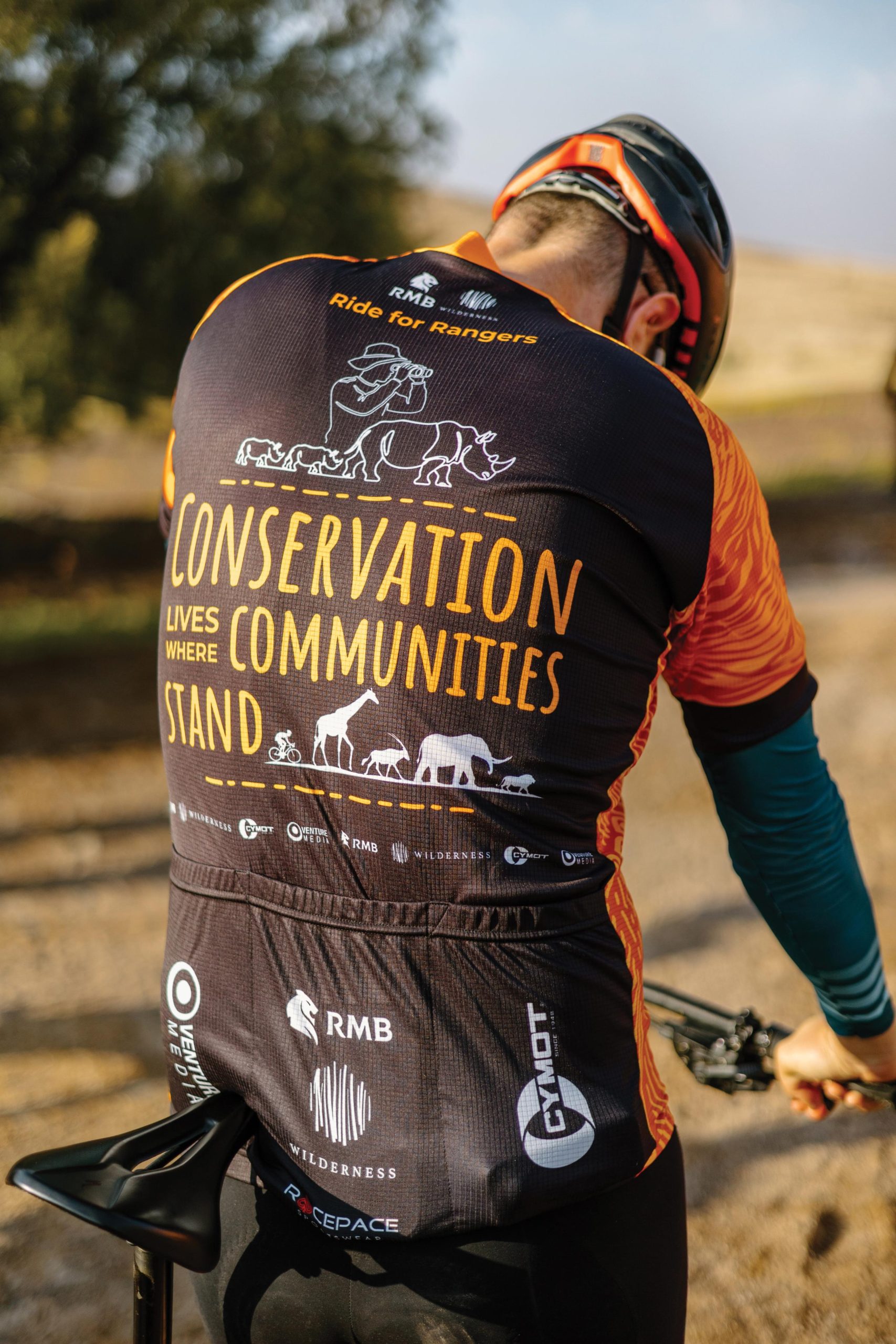
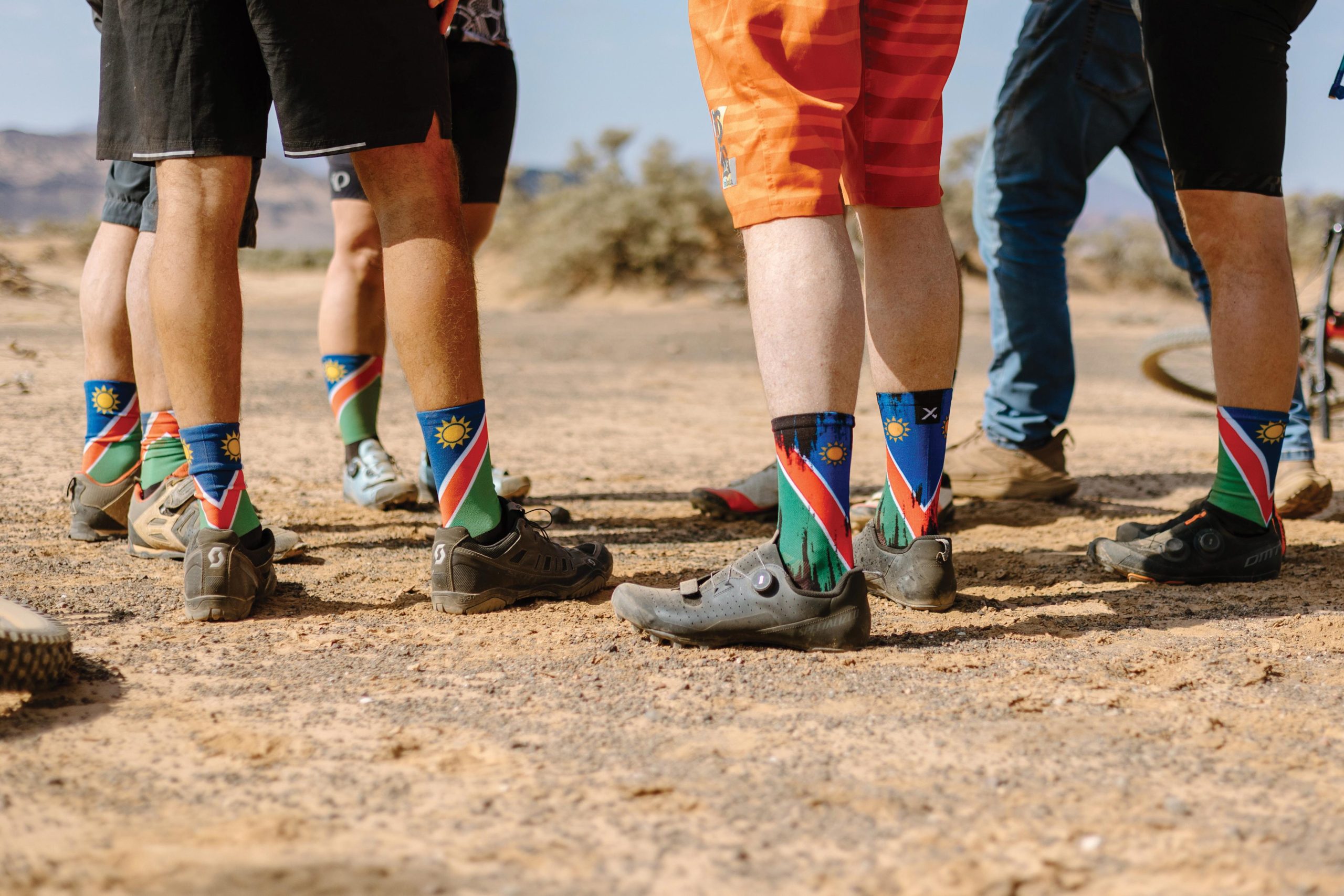
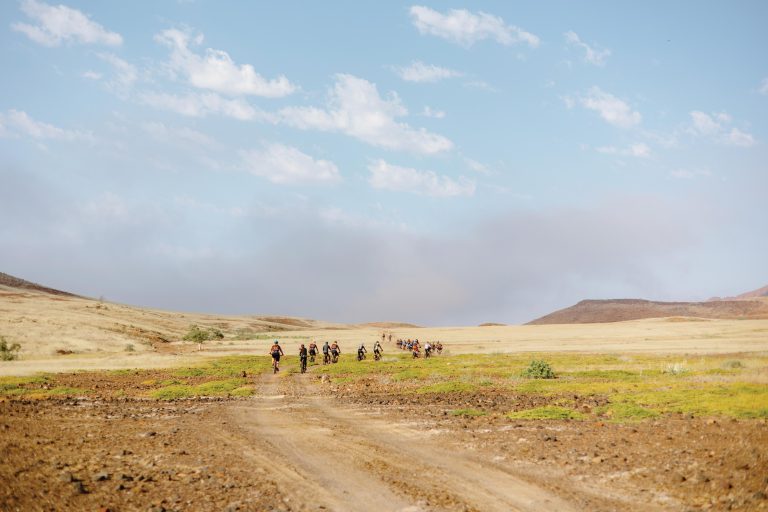
It is a beautiful word in Afrikaans because it can mean so much more than footprints. It is the tracks of an animal across the sand. The faint impression of a tyre on a gravel road. The signs a tracker reads in the earth. And, perhaps, the mark we leave behind after we have gone. By then, we had left plenty of tracks of our own. For three days, twenty of us had pedalled through the rugged northwest of Namibia, riding roughly 45 kilometres a day through the extraordinary landscape north of the Huab River and around Krone Canyon.
There is something about seeing Damaraland from a bicycle.
There is no glass between you and it. No air conditioning. No engine carrying you effortlessly over the next rise.
You feel every kilometre.
The loose rocks. The sand. The climbs that seem perfectly reasonable when viewed from a distance and considerably less so when you are halfway up them. The cold of those first mornings when adding a little Jameson to the coffee at our first stop suddenly seemed less like indulgence and more like excellent expedition planning.
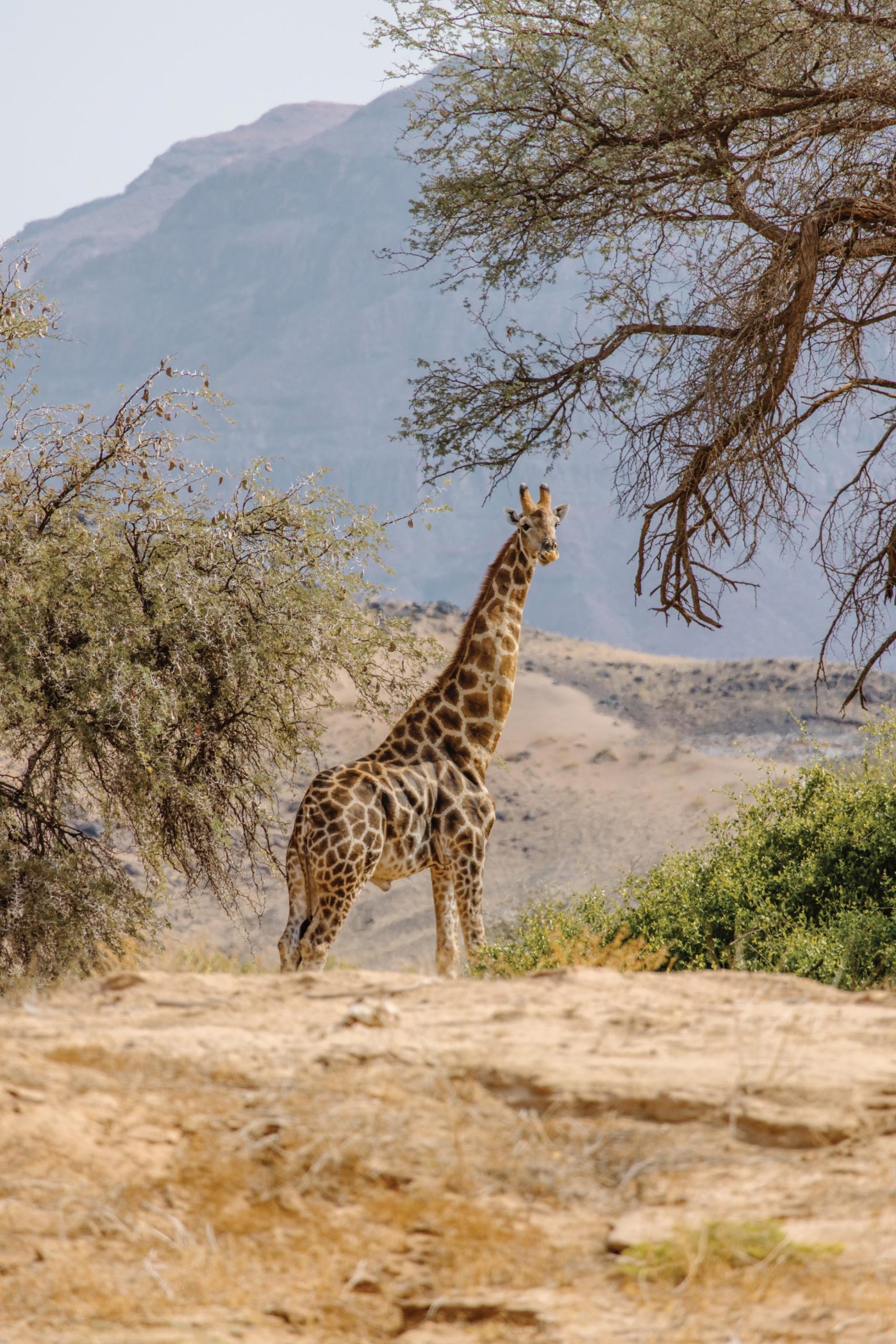
And then there were the landscapes. Red mountains opening suddenly onto vast plains of golden grass. Dry riverbeds lined with enormous trees. Unexpected dunes rising out of rocky country. Giraffe watching our strange little procession from a distance. Springbok scattering across the plains.
The kind of country that changes around every bend.
The kind that makes 45 kilometres feel simultaneously very long and nowhere near enough.
But Ride for Rangers has never really been about riding bicycles.
The bicycles simply take us where we need to go
FOLLOWING TRACKS
One afternoon, we left them behind entirely.
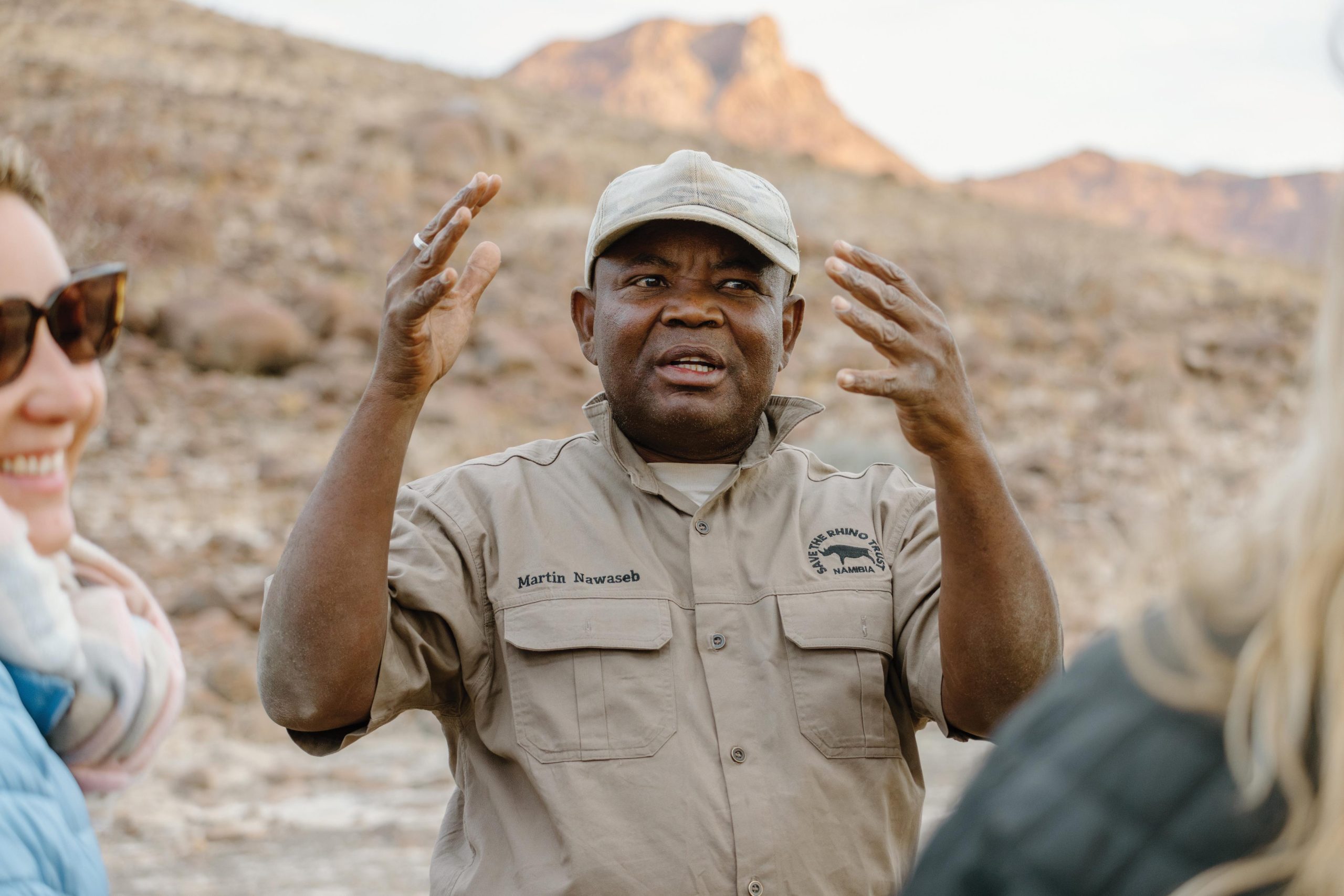
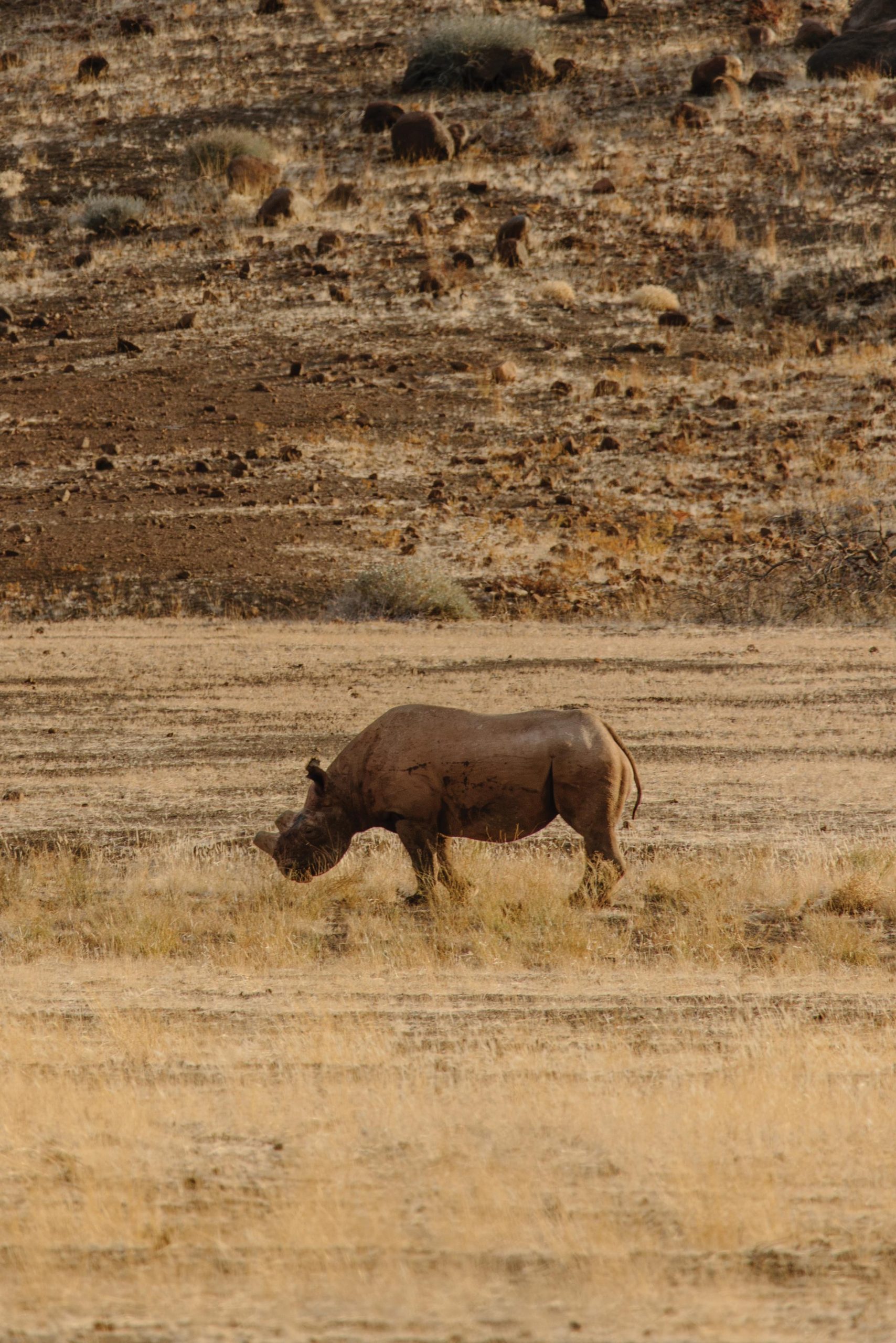
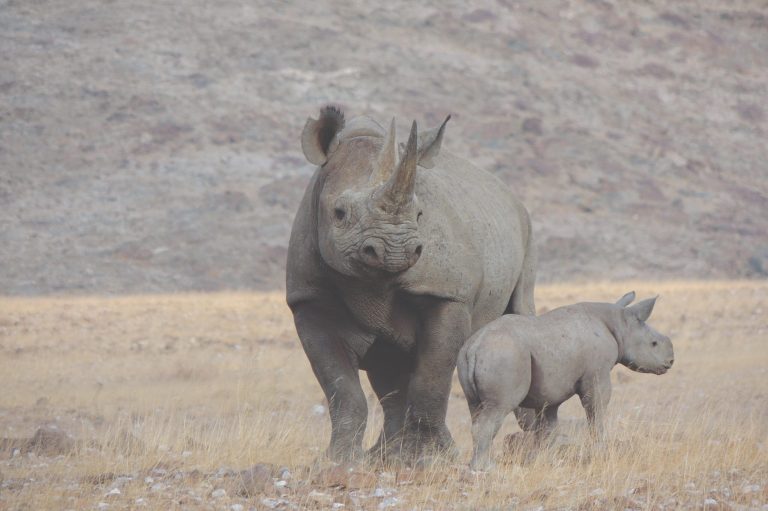
We set off with trackers and guides from Save the Rhino Trust to find one of the black rhinos that still roam freely across this landscape.
There is something profoundly humbling about following a tracker through wilderness.
What looks like sand and stone to most of us is a page filled with information to someone who knows how to read it. A footprint. A broken branch. Dung. The direction of travel. How recently an animal passed. And so we followed.
Until eventually, there he was.
A black rhino standing in the enormous landscape that generations of trackers and conservationists have fought to keep wild enough for him to exist in.
We watched from a respectful distance.
No fences.
No guarantees.
Just an animal where an animal is supposed to be.
Later, still carrying that feeling with us, our tracking excursion ended in a considerably less expected way: with a surprise gin stop as the sun sank across Damaraland.
Glasses appeared. Ice clinked. The mountains changed colour.
Conservation, it turns out, can occasionally come with tonic.
But what stayed with me was not only the rhino. It was the people who knew how to find him.
“If you want to go fast, go alone. If you want to go far, go together.”
- Suné van Wyk
KNOWING THE LAND
That evening, after a successful rhino track, our Save the Rhino Trust guide explained the hows and whys of this method of conservation. Tracking and monitoring as the cornerstones of landscape-level protection. Data as your silver bullet.
Kelsey Prediger of the Pangolin Research and Conservation Foundation followed his very informative session. She spoke to us about another animal that moves through Namibia largely unseen.
The pangolin.
What became particularly fascinating was hearing about the importance of local knowledge in protecting them. Conservation cannot simply be parachuted into a landscape. It has to understand it.
The people who have grown up in Namibia’s northwest know this country in ways outsiders cannot. In Nyae Nyae, formerly known as Bushmanland, San trackers carry generations of knowledge about the landscape and the animals moving through it.
That knowledge matters.
Because conservation is not only technology and GPS coordinates and scientific papers. Sometimes it is knowing how to read a footprint. Knowing which way an animal moved. Knowing what belongs here and what has changed. Knowing a landscape because your own tracks have crossed it a thousand times before. The rangers and trackers protecting Namibia’s wildlife do exactly that. Day after day, they walk.
Across rock.
Across sand.
Through riverbeds and mountains and heat.
Leaving footprints that the next wind will erase, while ensuring that the tracks of rhino, pangolin, elephant and so many other species will still be there for someone else to find tomorrow.
TAKE ME ALONG
On our final day, our own tracks took us through De Riet. We rode into the small community on our bicycles, this colourful, dusty procession suddenly appearing in the middle of an otherwise ordinary day.
Children came running.
One little boy latched onto our group and began running alongside a bicycle.
“Vat my saam!” he shouted.
Take me with you.
“Vat my saam!”
He kept running.
For a while, all there was was the sound of bicycle tyres, laughter and this little voice insisting that wherever we were going, he wanted to come too.
There was something wonderfully uncomplicated about it. Take me with you.
And perhaps, in some small way, that is exactly what Ride for Rangers is trying to do.
To make the circle bigger.
To bring people into landscapes they may otherwise never experience. To introduce them to the people protecting them. To connect a cyclist with a rhino tracker, a traveller with a pangolin ranger, a sponsor with a women’s sewing project in a tiny village in Damaraland.
Because conservation cannot exist separately from people.
At De Riet, we saw this in practice.
We visited projects supported by Children in the Wilderness, including a small women’s sewing initiative where women create cooking bags, backpacks and other products from a single sewing machine in a modest room.
We saw the community garden. The chicken and egg project. The craft centre and tea room.
We learned about the elephant water points that help the people living here share an extraordinarily dry landscape with desert-adapted elephants, providing water for wildlife while reducing damage to the water infrastructure communities themselves depend upon.
And then, almost as if the landscape had decided to finish telling the story for us, we encountered some of those elephants as we left.
Humans and elephants.
Rangers and wildlife.
Guests and communities.
All of us moving through the same landscape.
- Suné van Wyk
GO TOGETHER
At some point during the journey, Ralph Ellinger from CYMOT stood up to speak and quoted the well-known African proverb:
If you want to go fast, go alone. If you want to go far, go together.
There could hardly have been a better description of the RMB & Wilderness Ride for Rangers.
Because we do go together. For more than a decade, we have done so.
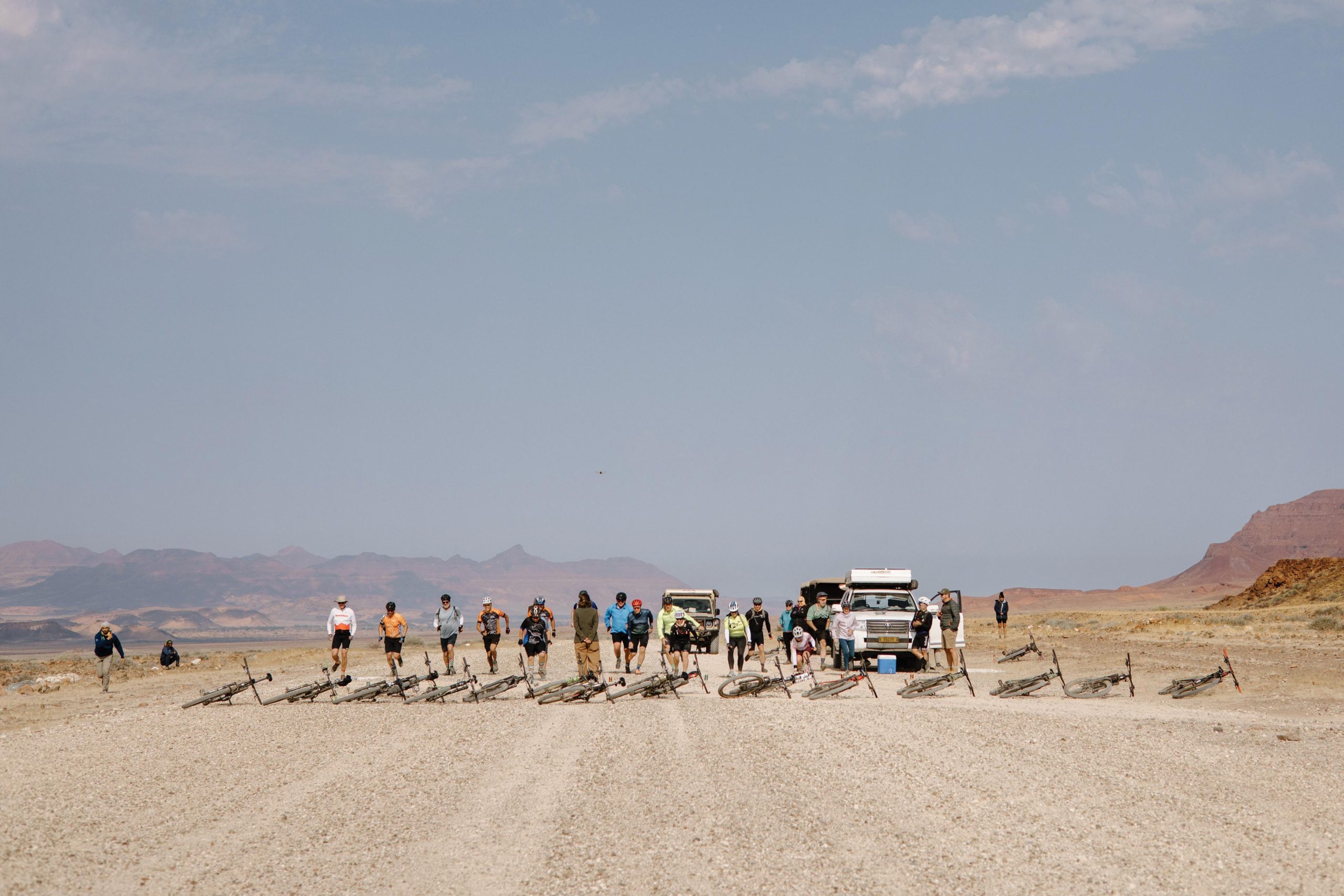
Twenty riders. Rangers. Trackers. Conservationists. Musicians. Wilderness teams. Support crews. Sponsors. Communities.
Some could cycle faster than others. Some could definitely climb hills faster than others. But nobody was really there to get to the end first. We were there because there was a reason to ride.
And somewhere between the cold morning coffee stops, the warmer mid-morning beer stops, the aching legs, the rhino tracks, the gin at sunset, the little boy running beside a bicycle, Rhona’s incredible meals, Jean’s perfectly paired wines, and Elvis Blue singing beside the fire, that reason became clearer again.
Never lose sight of purpose.
It is surprisingly easy to do.
We get caught up in events and logistics and kilometres and fundraising targets. In organising vehicles and camps and bicycles and people.
But purpose is the thing underneath all of it.
Why are we here?
Why do we ride?
Why do people spend their lives walking enormous distances through these landscapes?
Why protect a rhino most people will never see?
Why train a ranger to find a pangolin?
Why help a community build a water point for elephants?
Why buy a bicycle ticket into the middle of nowhere and willingly pedal it over 120 kilometres of rocks?
Because we can leave something behind.
SPORE
On our final evening at Wilderness Damaraland Camp, Elvis Blue sat beside the fire with his guitar.
Elvis is one of South Africa’s best-known singer-songwriters, but he is also a passionate cyclist and someone who clearly feels something for these Namibian landscapes. And then he sang Spore.
Ons is gemaak om spore te los.
We are made to leave tracks behind.
By then, the words meant something different. Perhaps we are all made to leave tracks. The question is what kind. When we enter wilderness, we are taught to leave nothing behind. Take nothing. Disturb nothing. Leave only footprints in the sand and let the wind sweep even those away.
But there are other kinds of tracks worth leaving.
A ranger’s footprints beside those of a rhino.
Knowledge passed from one generation of trackers to another.
A sewing machine in a room in De Riet that allows a woman to earn an income.
A water point that makes it possible for elephants and people to continue sharing the same dry landscape.
A group of people who came to this rugged corner of Namibia to ride and went home understanding a little more about what it takes to protect it.
Funds that remain after our tents have been packed away and our tyre tracks have disappeared.
That is the privilege of the RMB & Wilderness Ride for Rangers. We come into these wild places knowing that our physical tracks should disappear. The wind will take care of those. But if we have done it right, something else remains.
Something tangible. Something useful. Something that makes it a little easier for the people who walk these landscapes every day to continue doing what they do.
Ons is gemaak om spore te los.
We are made to leave tracks behind.
Let us make sure they lead somewhere that matters.
- Elzanne Mcculloch
The 2026 RMB & Wilderness Ride for Rangers
The loose rocks. The sand. The climbs that seem perfectly reasonable when viewed from a distance and considerably less so when you are halfway up them. The cold of those first mornings when adding a little Jameson to the coffee at our first stop suddenly seemed less like indulgence and
Facts About Black Rhinos
The black rhino is a critically endangered hook-lipped browser. Namibia remains a global stronghold — including the last free-roaming, desert-adapted animals, which live without fences on communal land in the north-west.

The Rhino Protector: Simson Uri-Khob
From welder and mechanic to CEO of Save the Rhino Trust: Simson Uri-Khob’s 32-year journey protecting Namibia’s last free-roaming desert-adapted black rhinos. A story of tracking, community rangers, and a promise that these animals will still be here for the next generation.